Guess Who’s Back!
The Blog resumes with jumping right into the second semester of the MFA Seminar class at Clark University!
The quest is the same:
1 Project
5 Milestones
Blog about it.
Last semester, I successfully completed my Jenny Applebaum Intelligent NPC project. This semester, I wanted to take a slightly different direction. One that focuses less on a single experimental system and more on strengthening my core technical foundation.
The Missing Bricks
Working in Unreal Engine has been a constant part of my life for the last three years, and I genuinely adore it as a game engine.
Unreal Engine is vast. The number of systems, tools, and workflows it offers is enormous. In other words… there is a TON to learn.
Over time, I’ve become fairly comfortable with certain aspects of working in the engine. Level design elements are my jam. Working with 3D models and their materials. Collision science. Basic UI widgets. How to work with Blueprints.
The list goes on, little things here and there I can do in Unreal Engine.
HOWEVER!
Despite being able to do all of these things, I realized there were still fundamental “bricks” missing from my knowledge. Certain systems I’d worked around rather than truly understood. Certain workflows I’d inherited from templates without being able to confidently rebuild them from scratch.
I wasn’t just aiming to be good at Unreal Engine anymore. I wanted to be strong in it.
As a game designer and developer, I want to know that if I’m handed a blank Unreal Engine project, I can build a complete (even if small) game from start to finish. No safety nets. No mystery gaps. No “I’ll figure that out later.”
Designing the Project
Between semesters, I spent a few weeks mulling all of this over. I wondered to myself how I could design a project that not only identified and taught me these skills but ended in a demonstrable product that showed I learned them.
Rather than focusing on a single feature or mechanic, this semester’s project is designed to deliberately target those missing bricks: one milestone at a time, as well as document the process of filling them in.
The goal isn’t just to build something, but to clearly demonstrate what I’ve learned and how those gaps have been closed.
I grabbed my whiteboard marker at home and started writing a list of every little thing I knew existed in Unreal Engine that I was interested in learning. The project was then formed with those specific skills into a timeline for 10 weeks in 5 milestones.
Welcome to the Discovery Park!
Discovery Park is a third-person Unreal Engine project where core gameplay systems are built intentionally from scratch, then stacked into a playable, exploration-focused vertical slice.
This semester I will be building an exploration-focused project in Unreal Engine 5.7. Rather than aiming to build a complete game, I am building a small but cohesive vertical slice designed to intentionally fill specific technical gaps in my Unreal Engine knowledge. Each system is treated as a modular learning space-built from scratch, tested in isolation, and then reused as the project scales.
Each milestone focuses on a specific set of core systems that I determined to be both essential and missing from my knowledge banks for building a complete game from a blank project:
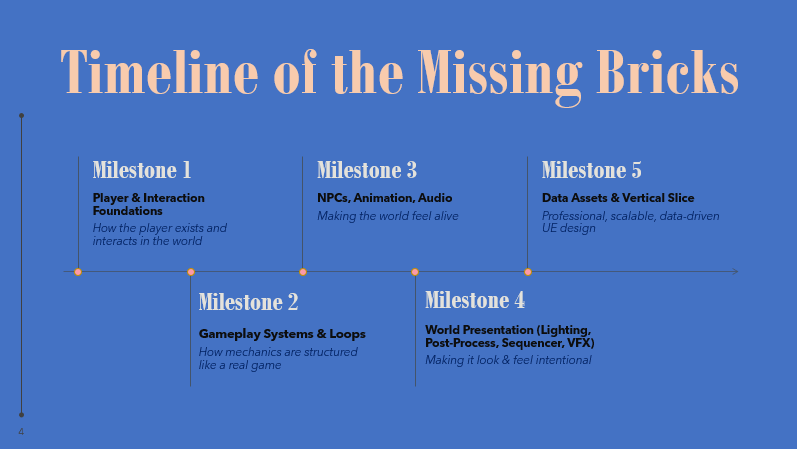
Each week, I’ll be documenting what I’m building, what I’m learning, where things break (because if Jenny taught me anything it is that they absolutely will), and how I fixed them.
The goal is not perfection, but confidence: replacing uncertainty with understanding, and turning those missing bricks into solid, reusable skills!
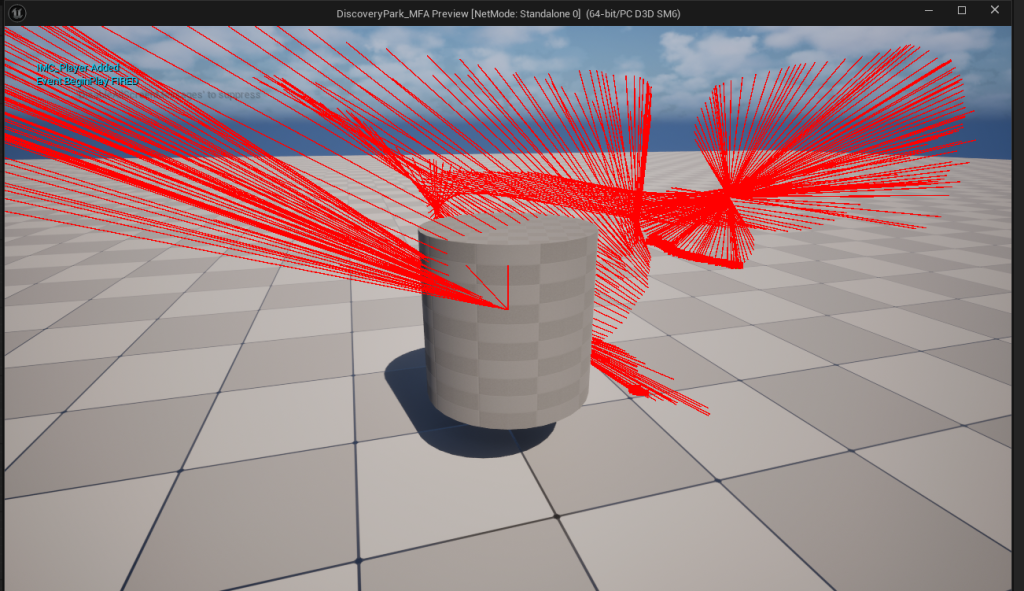
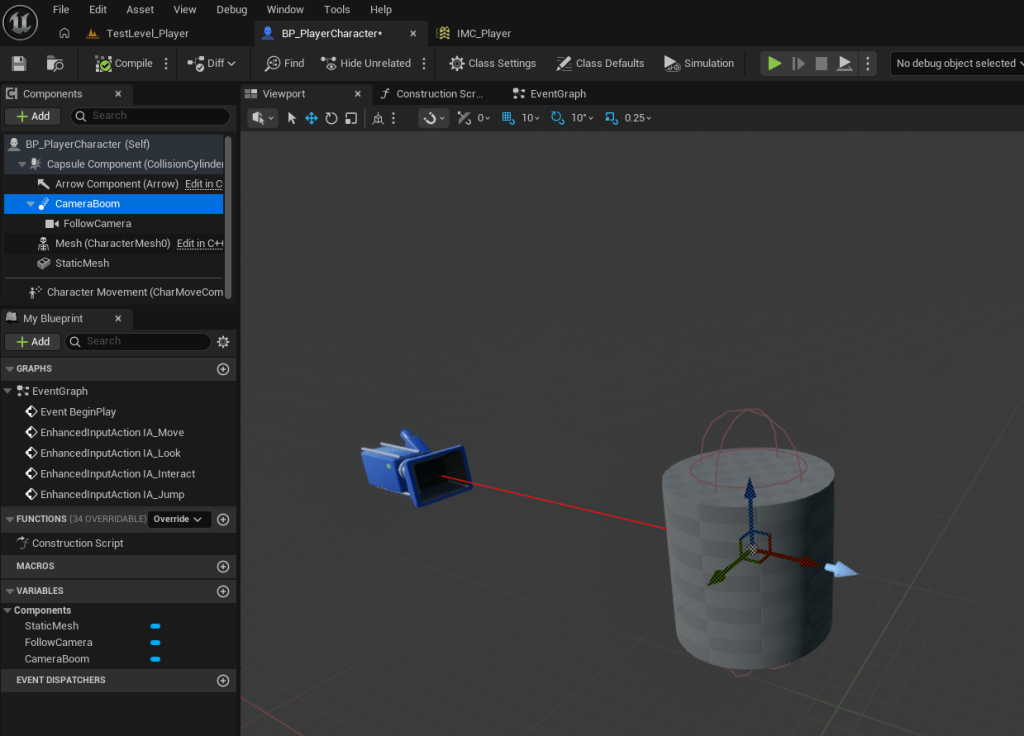
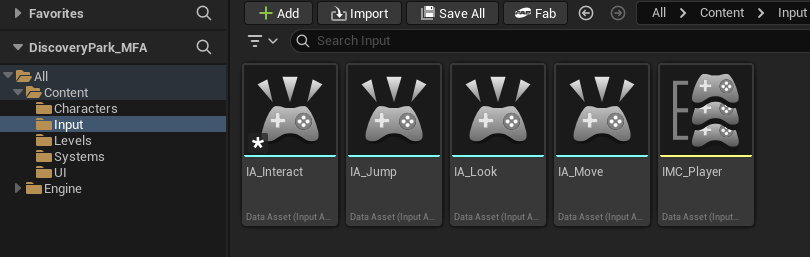
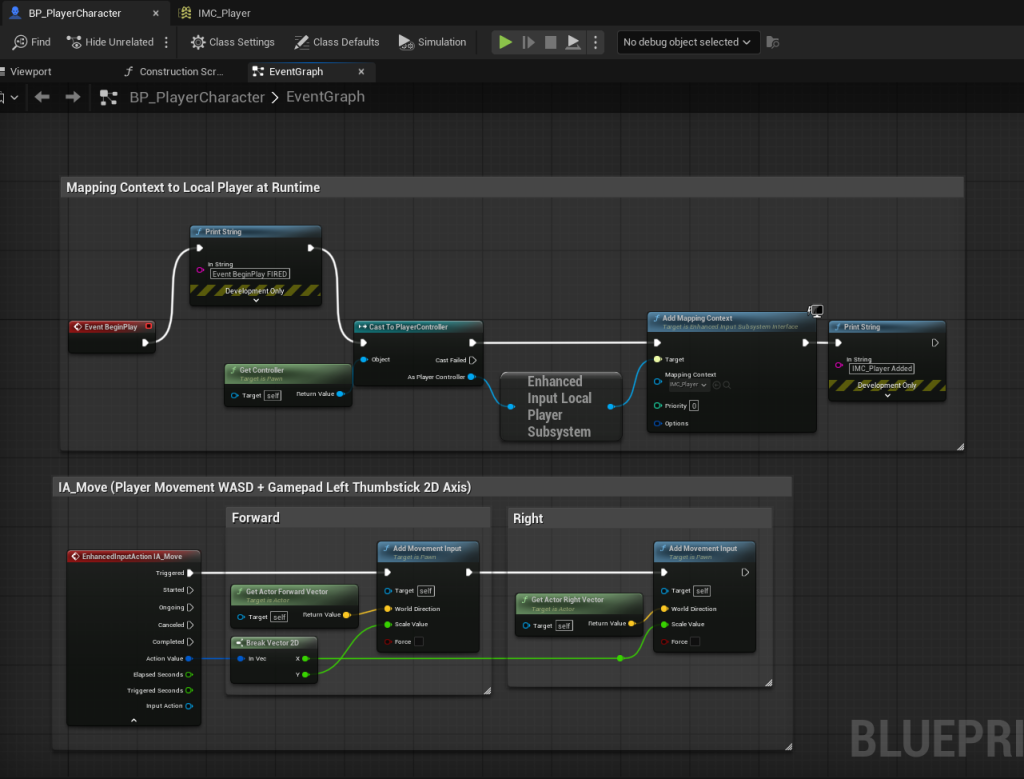
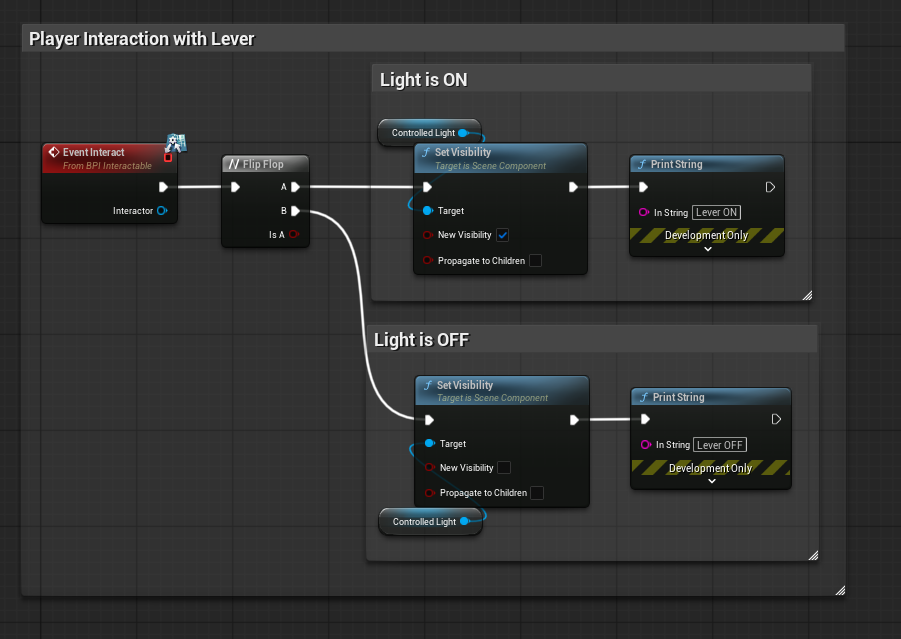
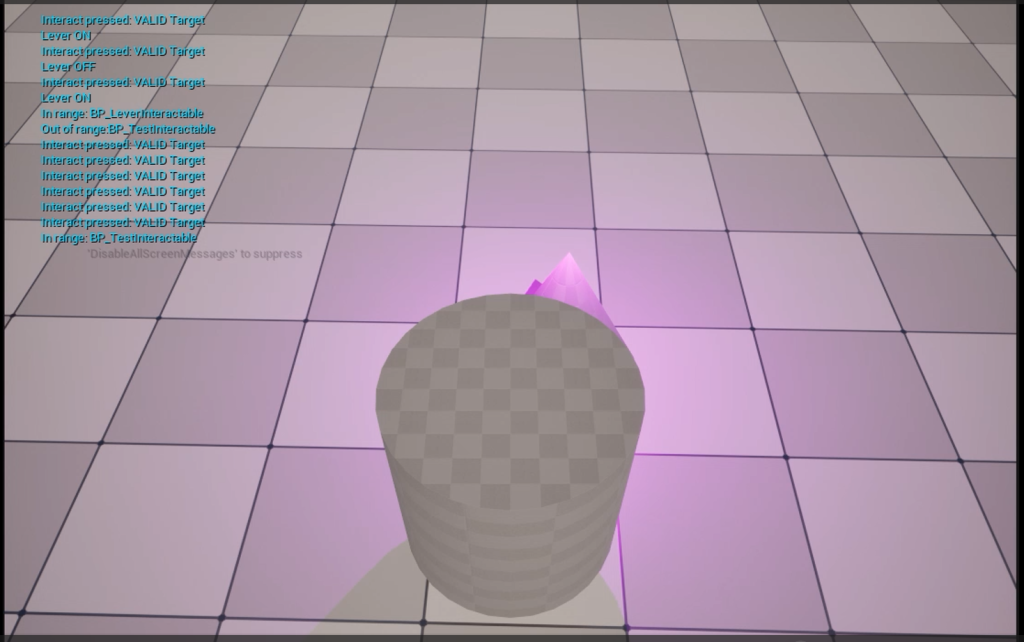
Next week’s post will dive into the details of the first milestone (which is already completed, sneak preview below!).
Until next time,
~Lauren
